Articles › Getting Started
Getting StartedWhat Information Do You Need to Start With a Fractional FD?
Before your fractional Finance Director starts, here is exactly what information you need to share — accounts, software access, HMRC details, and more. UK SME guide.
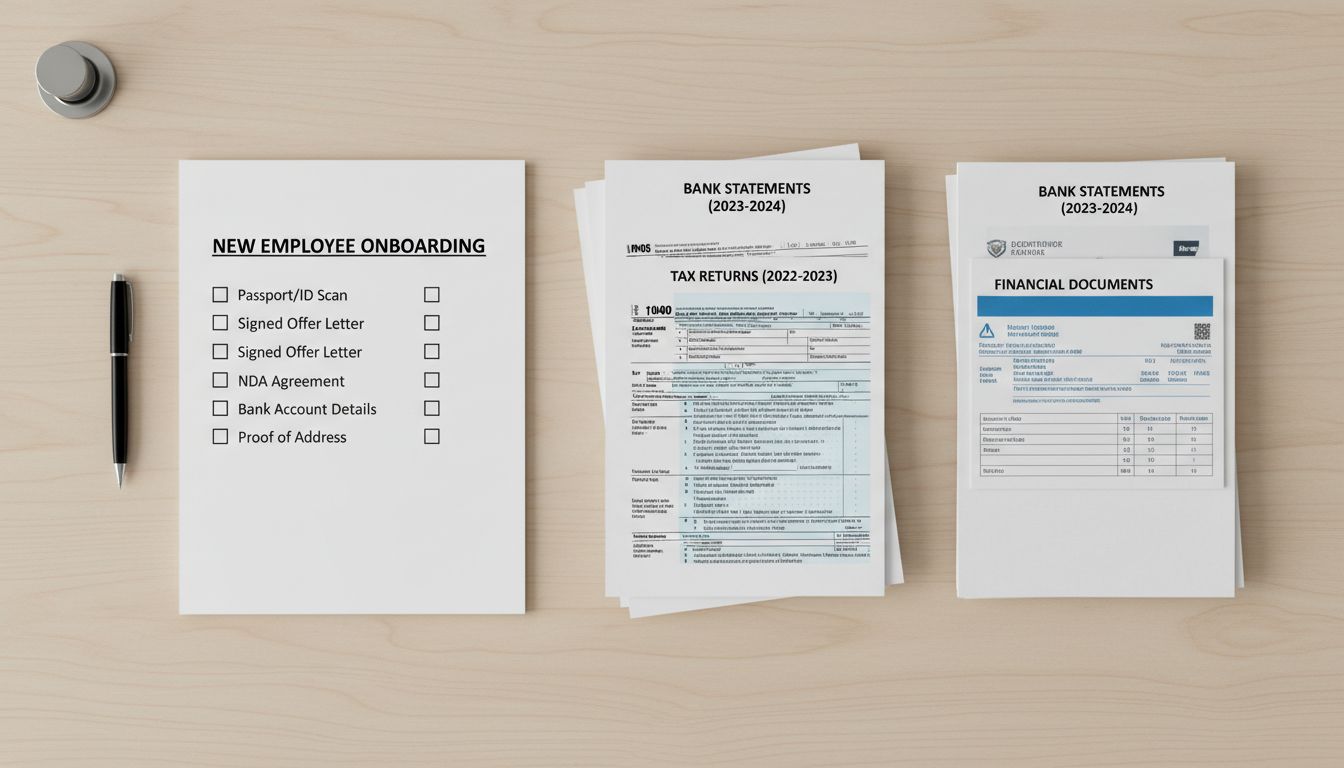
Preparing the right information before your fractional Finance Director starts is one of the most impactful things you can do to accelerate the value of the engagement. A well-prepared handover means your FD arrives informed, spends their first sessions delivering insight rather than hunting for basic data, and can begin addressing your highest-priority financial issues from day one. This guide sets out exactly what information your fractional FD will need, what they will request access to, and how to think about preparation even if your records are not perfectly organised.
You Do Not Need to Have Everything Perfect
Before we get into the specifics, it is worth making one important point: you do not need to have a perfectly organised set of records before your fractional FD starts. In fact, one of the common reasons businesses engage a fractional Finance Director is that their financial records are in a state of disarray and they need senior help to sort them out. Your FD is equipped to assess and triage a messy financial position — what they need at the outset is honest transparency about the current state, not a polished presentation of it.
Share what you have, not what you wish you had. A fractional FD who understands the real starting point can plan their work effectively. One who has been given an artificially tidy picture will find the gaps later — at a more inconvenient moment.
Category 1: Statutory and Historical Financial Information
Your fractional FD will start by reviewing the statutory and historical financial record to establish context. This means:
- Filed statutory accounts: The last two to three years of your Companies House-filed accounts (or whatever has been filed if the business is younger). These give your FD an audited or accountant-reviewed baseline of the business's financial position and trajectory.
- Corporation tax computations and returns: Your most recent CT600 and the accompanying tax computations, prepared by your accountants. These reveal the tax position, any deferred tax liabilities, R&D tax credit claims, and losses carried forward.
- Prior year audit reports: If your business is subject to statutory audit, copies of the audit reports and any management letters from the auditors provide valuable insight into weaknesses identified in previous years.
- Shareholder structure and cap table: Details of share classes, current shareholders, any outstanding share options or warrants (including any EMI option schemes), and any convertible loan notes or investor agreements.
Category 2: Current Year Financial Position
After the historical baseline, your FD needs to understand where you are right now. This typically involves:
- Current year management accounts: Profit and loss, balance sheet, and cash flow for the current financial year to date, in whatever form they currently exist — even if they are rough or unreviewed
- Current bank statements: Bank statements for all business accounts for at least the most recent three months, and ideally the last twelve months
- Debtor and creditor ledgers: Aged debtor and aged creditor reports from your accounting software, showing who owes you money and who you owe money to
- Current year budget or financial plan: If one exists, your FD will want to understand what the business planned to achieve financially this year and how actual performance compares
Category 3: HMRC and Compliance Status
HMRC compliance status is one of the first things an experienced FD will want to verify — both because non-compliance creates financial risk and because the HMRC position affects the balance sheet and cash flow. Information needed includes:
- VAT registration details and recent returns: Confirmation of VAT registration number, VAT scheme (standard, flat rate, cash accounting), and copies or screenshots of recent VAT returns submitted via HMRC's Making Tax Digital portal
- PAYE status and recent RTI submissions: Evidence of current PAYE registration and recent Real Time Information (RTI) submissions, including a summary of PAYE liabilities and whether payments to HMRC are up to date
- Corporation tax payment history: Confirmation of when corporation tax was last paid and whether any amounts are outstanding or on a Time to Pay arrangement
- Any active HMRC enquiries or disputes: Full details of any open HMRC enquiries, compliance checks, or disputes — including any correspondence received
Category 4: Financing and Banking Information
Your FD needs to understand the full picture of how the business is financed in order to properly assess the balance sheet and cash flow:
- Details of any bank loans, overdrafts, invoice financing, or asset finance facilities — including the lender, the facility size, the current outstanding balance, the interest rate, and any financial covenants
- Details of any director loans — both loans from directors to the company and loans from the company to directors
- Details of any investor funding received — including the amounts, dates, and terms of any equity rounds, convertible loan notes, or grant funding
- Details of any HMRC-backed loan schemes still outstanding, such as the Bounce Back Loan or CBILS facilities taken during the Covid-19 period
Category 5: Key Contracts and Commercial Agreements
While your FD is not a lawyer, they need to understand the key commercial agreements that have financial implications for the business. This includes major customer contracts (particularly those with revenue recognition implications, performance obligations, or termination clauses), major supplier agreements, property leases (relevant for IFRS 16 or FRS 102 leasing accounting), and any material financial guarantees given by the company or its directors.
Category 6: Access to Systems and People
Finally, your FD needs practical access to the people and systems they will work with day-to-day:
- Adviser-level access to your accounting software (Xero, Sage, QuickBooks, etc.)
- Contact details for your external accountants and, if applicable, auditors
- Introduction to your internal finance team (management accountant, bookkeeper, financial controller)
- Access to your document storage (SharePoint, Google Drive, Dropbox) where financial records are held
For context on how software access and system integration works in practice, see our guide on how a fractional FD integrates with your existing software. And to understand the full first-weeks process once the information has been shared, read our article on what the onboarding process looks like.