Articles › Systems & Processes
Systems & ProcessesAutomating Invoicing and Payment Processes for UK SMEs
Manual invoicing and payment processes cost UK SMEs thousands of hours and millions in late payments annually. A fractional FD can design and implement automation that transforms your cash flow.
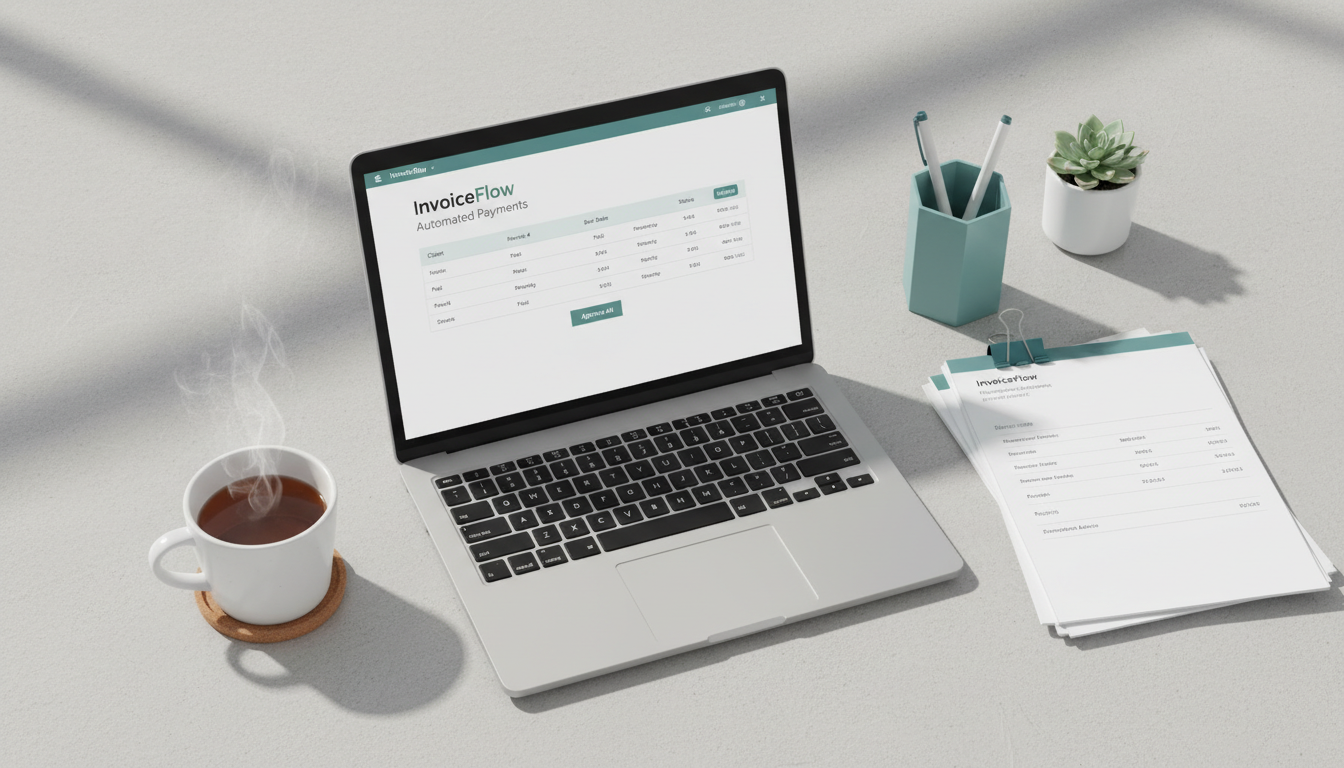
Late payment is the leading cause of cash flow stress for UK SMEs, and the root cause is almost always a manual, inconsistent invoicing and collections process. When invoices go out late, when payment terms are unclear, when chasing is done informally and sporadically, and when payment options are limited, the inevitable result is that customers pay slowly. A fractional Finance Director addresses this systematically, using automation to ensure that invoices go out on time, every time, that payment is made as easy as possible for customers, and that overdue accounts are chased consistently without relying on anyone's memory or goodwill.
Automating invoicing and payment processes is one of the highest-return interventions an FD makes in an SME. The investment in software and configuration is modest; the improvement in cash flow and reduction in administrative overhead is significant and immediate.
The True Cost of Manual Invoicing
Most business owners underestimate the true cost of their current invoicing process because the costs are distributed across the organisation and largely invisible. The sales team raises invoices manually, often days after work is completed. Finance chases payment informally by email. The business owner gets involved when customers go significantly overdue. Nobody has a clear picture of exactly how much is outstanding at any point in time, at what ageing, and what action has been taken on each account.
The measurable cost of this approach is typically 15 to 25 days of additional debtor days compared to businesses with automated, disciplined credit control processes. At £2m annual revenue with 30-day payment terms, an additional 15 debtor days represents approximately £82,000 of cash that is effectively locked up in the business unnecessarily — cash that could be paying down an overdraft, funding investment, or simply sitting in a savings account earning interest.
Automating the Sales Invoicing Process
The starting point for invoicing automation is ensuring that invoice generation is triggered automatically by the completion of a job, delivery of goods, or reaching a billing milestone — not by someone remembering to raise an invoice. In businesses that use a CRM or job management system, this means integrating that system with the accounting platform so that billing events in the operational system automatically generate draft invoices in the accounting system, ready for review and dispatch.
Invoice Generation and Delivery
Modern cloud accounting platforms — Xero, QuickBooks, Sage — all support automated invoice scheduling, recurring invoice generation, and direct email delivery to customers. A fractional FD configures these capabilities correctly and ensures that invoice templates include all the information a customer needs to process and approve payment quickly: clear payment terms, bank details, a payment reference, and where appropriate a payment link that enables immediate card or bank transfer payment.
For businesses with recurring revenue — subscriptions, retainers, regular service contracts — automated recurring invoicing eliminates the risk of billing delays entirely. The invoice is generated and dispatched on the configured date without manual intervention, and the accounting entry is made automatically. This alone can recover several days of debtor days for businesses with significant recurring revenue.
Automated Payment Reminders
Consistent, timely payment reminders are the single most effective credit control intervention available. Research consistently shows that sending an automated reminder three days before an invoice is due reduces average payment time significantly — not because customers cannot afford to pay, but because many payment approval processes require a trigger, and a professional, timely reminder serves that function.
A properly configured automated reminder sequence typically includes a reminder three days before due date, a reminder on the due date if unpaid, a firm follow-up at seven days overdue, and an escalation at fourteen days overdue that prompts a personal call or formal notice. This sequence runs automatically in the background without consuming any staff time — and because it is consistent and professional, customers respond to it more reliably than to ad hoc chasing.
Streamlining the Accounts Payable Process
Invoice automation applies equally to the purchase side of the business. Manual accounts payable processes — paper invoices, email attachments, manual data entry into accounting software, paper-based approval processes — are time-consuming, error-prone, and difficult to control. Automated accounts payable removes the majority of manual effort and simultaneously strengthens financial controls.
Platforms such as Dext (formerly Receipt Bank), AutoEntry, and Hubdoc use optical character recognition and machine learning to capture supplier invoice data automatically from email, PDF, or photograph, and post draft entries to the accounting platform for approval. The FD configures approval workflows so that invoices above certain thresholds require sign-off from appropriate people before payment is authorised. This automation typically reduces the time spent on accounts payable processing by 70-80% whilst simultaneously making it easier to enforce spending controls.
Batch Payment Runs
Automated batch payment runs — where all approved invoices due for payment in a given period are paid simultaneously through a single bank authorisation — eliminate the inefficiency of making individual payments and ensure that the business pays suppliers on the terms agreed rather than either late (damaging supplier relationships) or early (unnecessarily accelerating cash outflow). Most cloud accounting platforms support batch payment files that are uploaded directly to online banking, removing the need to re-key payment details and eliminating the associated risk of payment fraud through manually entered account numbers.
"Within three months of implementing automated invoicing and credit control, our average debtor days dropped from 52 to 34. That was nearly £60,000 back in our bank account."
Open Banking and Pay-by-Link
The most recent evolution in payment automation is the integration of open banking payment capabilities directly into sales invoices. Platforms such as GoCardless, Stripe, and several banking-integrated solutions now allow businesses to include a payment link in every invoice that enables the customer to pay instantly by bank transfer or card without logging into their own banking system. The payment is automatically reconciled against the invoice in the accounting platform. For B2C businesses and smaller B2B invoices, this can reduce payment times dramatically by eliminating friction from the payment process entirely.
A fractional FD assesses which payment methods are appropriate for your customer base, configures the relevant integrations, and ensures that the cost of payment acceptance — card processing fees, direct debit fees — is factored into pricing or, where appropriate, passed on to customers in line with your contractual terms. For a broader view of how these payment systems fit into your finance technology stack, see our article on integrating finance data with CRM and operational systems.